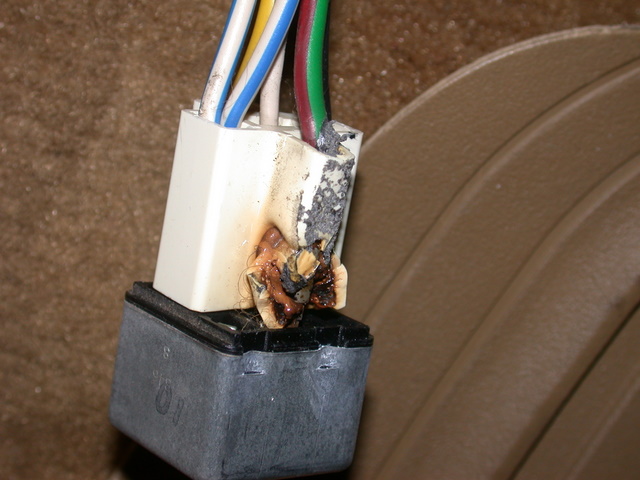
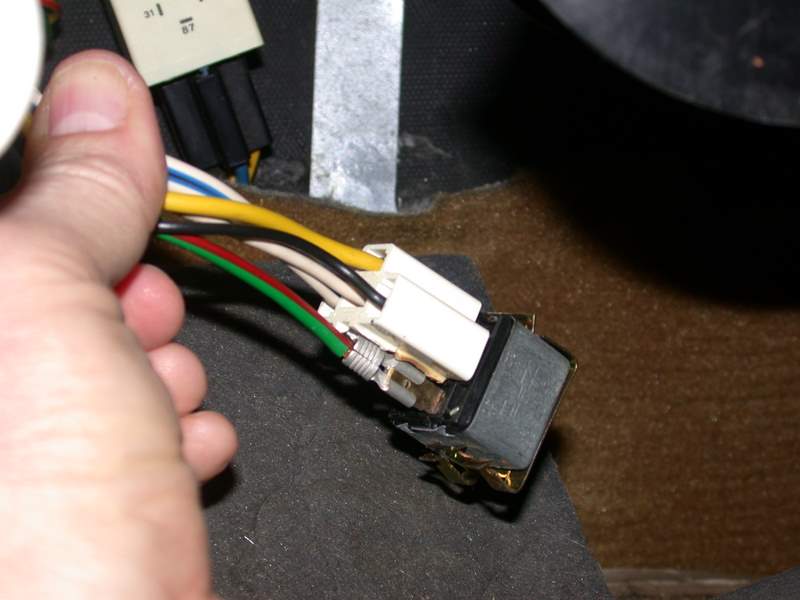
|
Yes. DeoxIT D-Series spray, or concentrate (dilute with 91% Isopropyl Alcohol, or another compatible residue-free carrier solvent to dilute) that you can use in small, accurate sprayer.
The liquid form, when the carrier solvent evaporates, the DeoxIT-D active compound(s) remain on the conductor contact surface. Read the product copy for a description.
https://caig.com/deoxit-d-series/
Do NOT use electrically conductive, corrosion inhibiting paste like No-OX and De-OX and the like meant for high current (amps), high power (volts), AC and DC systems.
I thought there was a DeoxIT-D dielectric grease. I guess not?
Some extra info, lest you know already.
The 1986+ US DOT 240 headlight are wholly awful. The beam pattern is not well defined. The lens material can fog on both surfaces - exterior and interior. Also, headlight alignment can go wonky. Though the adjustment is a frail affair at the assembly backside accessed through the hood up engine bay.
The adhesive between lens and reflector body embrittles and loses adhesion, so the lens and reflector body separate, allowing moisture and detritus intrusion. A hot halogen bulb encountering liquid can explode inside the headlight assembly, ruining what may be a salvageable assembly. You may see the ugly end result as yellow headlight lenses that disallow proper headlight beam casting. The light should pass though the lens clearly. (Punny. ha.) I've already written here how to clean and seal the headlight assemblies somewhere.
At the bottom center edge of the lens, use a finger to gently pull and lift the lens.
When I get a 240, not since 2007 or or so, I treat all connectors and grounds with a connect / reconnect (or slight unscrew / re-screw ) at collected grounds secured to sheat metal) with Deoxit-D. So, rarely do I encounter the invisible corrosion like that at the fuse panel back side that disabled power windows in the 1990 240 wagon in 2015 or so.
Questions?
Hope that helps.
--
Give your brickboard.com a big thumbs up! Way up! - Roger Ebert.  
|