|
A current browser with cookies enabled.
The file is set for public access as the OP set permissions for public access.
Copy and paste into an empty browser or tab address or location or URL field:
https://drive.google.com/file/d/1XHOddQrCbaotIzPYEnoy0_twOsAdDGXa/view
Work for me. Yet some corporate and government firewalls may prevent access to Google Drive and file contained therein.
BrickPix is broken. You cannot upload images. No ETA as to restoration. Or at least Jarrod has not made mention as he is very full with his IT / information security systems business. Please don't use the term 'cyber security' because a presidential executive order mentions 'cyber security' invoking author William Gibson's creation of the term cyber in his books.
150 PSI in all four cylinders with open throttle, engine management off (no fuel injection), and charged battery on 1980 US market B21 F is normal and good.
A slight cause may be failure or seizure of the piston oil control ring (the ring does not float in the top piston groove). Carbon build up can be a cause. More so with mineral oil. If nearing a schedule oil change, consider an additive added to the fuel tank to remove carbon from the engine intake (valve stems) and combustion chamber.
Scotty Kilmer's YouTube channel makes mention of such additives with proof:
https://www.youtube.com/@scottykilmer/featured
The other cause may be a faulty #4 injector. Spray pattern or wrong volume no matter inject pressure. An additive like Chevron Techron (techroline) or what Scotty Kilmer advocates may work. Carbon build up is a quality of continuous injection systems like Bosch K-Jetronic (and less so D and LH Jetronic systems).
The sparkle-lator plug has failed, or ignition wire to it, or the #4 rotor cap contact has failed. If any damage to the Bosch Electronic Ignition impulse sender where the four impulse coil pins may not align with the magnetic four plate pins, the number four spark plug (circuit) may not fire as the impulse signal is below a threshold for the ignition amplifier circuit.
The in-distributor impulse sender pins can get damaged / lose alignment as one or both of the ignition cap retainer clips were allowed to move to the closed position with the cap off of the distributor and the engine or intermediate cam turned. Though if one is damaged may cause K-Jetronic electronic injection impulse sender failure.
The Bosch K-Jetronic Electronic Ignition impulse sender is not a powered "Hall Effect" 'sensor' as it is not powered as with Bosch EZK115 and 117 and older.
May want to try swapping with known good components as spark plug, spark plug wire, distributor cap.
Else, a leakdown (pressurized) compression test can resolve if a cylinder head gasket failure. Oil is drawn in through the gasket failure on intake stroke. I'm not sure.
The original poster can embed the image using the Google provided iframe in the message while composing or editing their message:
Or use Art B's method here:
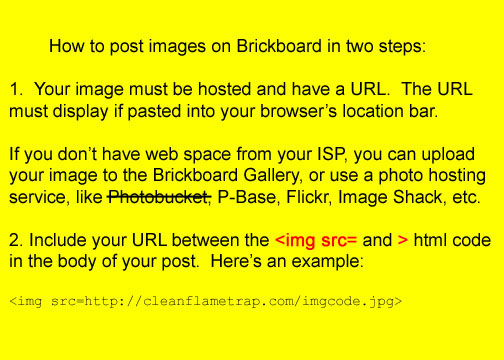
Appears not to work with images hosted on Google Drive set to public access or view.
Hopes to have a 1970s 242 again with K-Jetronic. May need to replace the black high pressure nylon line and the low pressure rubber fuel return lines by bow. Our dear Art B. has a few articles on his cleanflametrap site about fuel line (replacement) fun.
Sort of like repacking the rear wheel bearings with new NLGI-2 wheel bearing grease if not already. An uneasy task. Do the service correctly.
Hope that helps.

--
Give your brickboard.com a big thumbs up! Way up! - Roger Ebert & Gene Siskel  .load( )
|


